
What is…Hypnotherapy & NLP? (neuro linguistic programming)
Hypnotherapy and NLP are often spoken about together. This is because they have many similarities and compliment each other perfectly. Many of the techniques I utilise to help people change, are a combination of both of these. In fact, sometimes there’s no clear boundary between whether a technique is hypnosis, or NLP. Often its both. (What is…Hypnotherapy & NLP?) Hypnotherapy Dartford
Hypnosis with NLP, is extremely powerful. Especially to resolve, anxiety, phobias, fears, PTSD, addictions, smoking, weight loss, any bad habit. Don’t believe me…check out my 5 STAR Reviews. 5* Star GOOGLE reviews
The key question is, ‘Does it work? 5* Star GOOGLE reviews
And of course it does. That’s if you fully understand how to implement the techniques. So what is hypnosis? and what is NLP? Great question, thanks for asking…
Hypnosis, is a state of heightened focus, combined with the minds critical faculty (CCF), moving out the way. Similar to when you go see a movie. You focus and suspended disbelief. You are entranced…in-tranced. About
NLP, is the modelling (copying) of excellence. Richard Bandler & John Grinder in the 1970s, basically sort out the best change workers in USA. Milton Erickson, Fritz Perls & Virginia Satir. Then they relentlessly studied them to the ‘nth degree’. They systematically coded exactly what they were doing to get excellent results. So, that they could demonstrate and ascertain the same excellent results.

Combination therapy
I use these two therapies interchangeably in my therapy clinic. Some clients are more suited to NLP, and visa vera. If a client is very anxious, NLP is very effective. However, these days I have several ways to rapidly ease the anxiety. Thus allowing hypnosis to also be possible for the session. Call Me or Book Appointment
NLP- Pre-Suppositions
Neuro-Linguistic Programming (NLP) is known for its presuppositions—underlying beliefs and assumptions that guide its principles and practices. Here’s a breakdown of NLP presuppositions. (What is…Hypnotherapy & NLP?)
- The Map Is Not the Territory: In NLP, we understand that our perception of reality is like a map, and it’s not the actual territory. So, if someone insists their map is the only right one, remind them that even GPS gets it wrong sometimes!
- There Is No Failure, Only Feedback: NLP teaches us that every experience is a learning opportunity. So, when life throws you a curveball, just tell yourself, “I’m not failing; I’m collecting valuable feedback.”
- People Have All the Resources They Need: NLP assumes that individuals possess the inner resources necessary for change. It’s like having a superhero inside you; you just need to discover your superpowers.
- The Meaning of Communication Is the Response You Get: When your message doesn’t land as expected, remember that it’s not what you say, but how it’s received that matters. So, be mindful of how your words are perceived in the minds of others.
- The Mind and Body Are Connected: NLP acknowledges the strong connection between mental and physical states. It’s like realizing that your brain and body are best friends who communicate through vibes and vibes alone.
Essential Presuppositions
6. Every Behavior Has a Positive Intent: Even the quirkiest behaviors are thought to have a hidden positive purpose. So, the next time you’re puzzled by someone’s actions, try to uncover their “positive intent” like a detective in a feel-good mystery.
7. People Are Not Their Behaviors: In NLP, we separate a person from their actions. It’s like saying, “I don’t like the way you drive, but I still think you’re an awesome human being.”
8. If Someone Can Do It, It’s Possible to Model It: NLP believes that excellence can be replicated by modeling the behaviors and thought patterns of successful individuals. So, if you admire someone’s skills, think of it as your own personal “how-to” guide.
9. You Cannot Not Communicate: Even silence communicates a message. So, when you’re trying to hide something, remember that your nonverbal cues might spill the beans faster than you can say “NLP.”
10. The Meaning of Your Communication Is the Response You Get: If you’re not getting the response you want, don’t blame the listener—modify your approach. Think of it as your chance to fine-tune your communication skills.
Presuppositions
In the world of NLP, these presuppositions are like guiding stars, helping us navigate the seas of human experience with a blend of insight and humor. Remember, NLP is not just about understanding these ideas but applying them in ways that bring about positive change and personal growth. So, go forth and NLP your way to a more resourceful and witty life! (What is…Hypnotherapy & NLP?)Hypnotherapy Dartford
Hypnotherapy and NLP
(Neuro-Linguistic Programming) are two powerful modalities in the field of personal development and therapeutic intervention. They are often discussed together because they share certain foundational principles and can be seamlessly integrated to enhance their effectiveness. This essay aims to provide a deeper understanding of these two methodologies and their significance in facilitating positive change in individuals’ lives.nhs
The Synergy Between Hypnotherapy and NLP:
Hypnotherapy and NLP complement each other remarkably well due to their shared goal of helping individuals overcome challenges and achieve personal growth. Many practitioners find that combining techniques from both disciplines can lead to more comprehensive and lasting results. This fusion often blurs the lines between the two, highlighting their interconnectedness.article
Hypnotherapy: Unlocking the Power of the Subconscious Mind:
Hypnotherapy is a therapeutic approach that leverages the concept of a trance or hypnotic state to access the subconscious mind. This state is characterized by heightened focus and relaxation, with the conscious critical faculty taking a step back. In this altered state, individuals become more receptive to suggestions and insights.
Imagine watching a captivating movie where you become completely engrossed in the storyline, momentarily suspending your disbelief. In a similar fashion, hypnosis induces a state of being “in-tranced,” where the mind becomes more open to positive suggestions and change. Hypnotherapists guide individuals through this process, helping them address issues such as anxiety, phobias, and self-limiting beliefs. (What is…Hypnotherapy & NLP?)wiki
NLP: Modeling Excellence for Personal Transformation:
Neuro-Linguistic Programming, or NLP, is a methodology founded by Richard Bandler and John Grinder in the 1970s. They embarked on a mission to identify and replicate the strategies and patterns of excellence exhibited by individuals who excelled in their respective fields, including renowned therapists like Milton Erickson, Fritz Perls, and Virginia Satir.
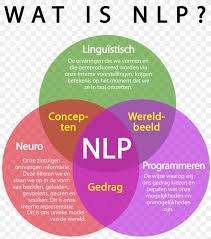
NLP, as its name suggests, is about understanding the interplay between neurology (how our mind works), language (how we communicate), and programming (how our experiences shape our behavior). Practitioners of NLP aim to model and replicate the thinking and behavioral patterns of successful individuals. This involves techniques like language pattern recognition, visualizations, and anchoring to facilitate personal transformation.directory
The Effectiveness of Hypnotherapy and NLP:
The central question when it comes to these two modalities is whether they work. The answer is a resounding yes, but with a caveat. The effectiveness of both hypnotherapy and NLP depends on the skill and expertise of the practitioner and the individual’s willingness to participate fully in the process.
When practiced by skilled professionals who understand how to implement the techniques effectively, both hypnotherapy and NLP have the potential to bring about profound and lasting change. However, it’s essential to recognize that these are not one-size-fits-all solutions. Tailoring the approach to the individual’s needs and goals is crucial for success. (What is…Hypnotherapy & NLP?)
Summary
hypnotherapy and NLP are powerful tools for personal transformation and therapeutic intervention. While they share similarities and can be used in tandem, each has its unique principles and methodologies. When applied with expertise and tailored to an individual’s specific needs, they have the potential to unlock the power of the mind and facilitate remarkable positive change in one’s life.